
Streaming should be the easiest part of your house to live with. Sit down, grab a remote, press play. That’s the dream everyone expects.
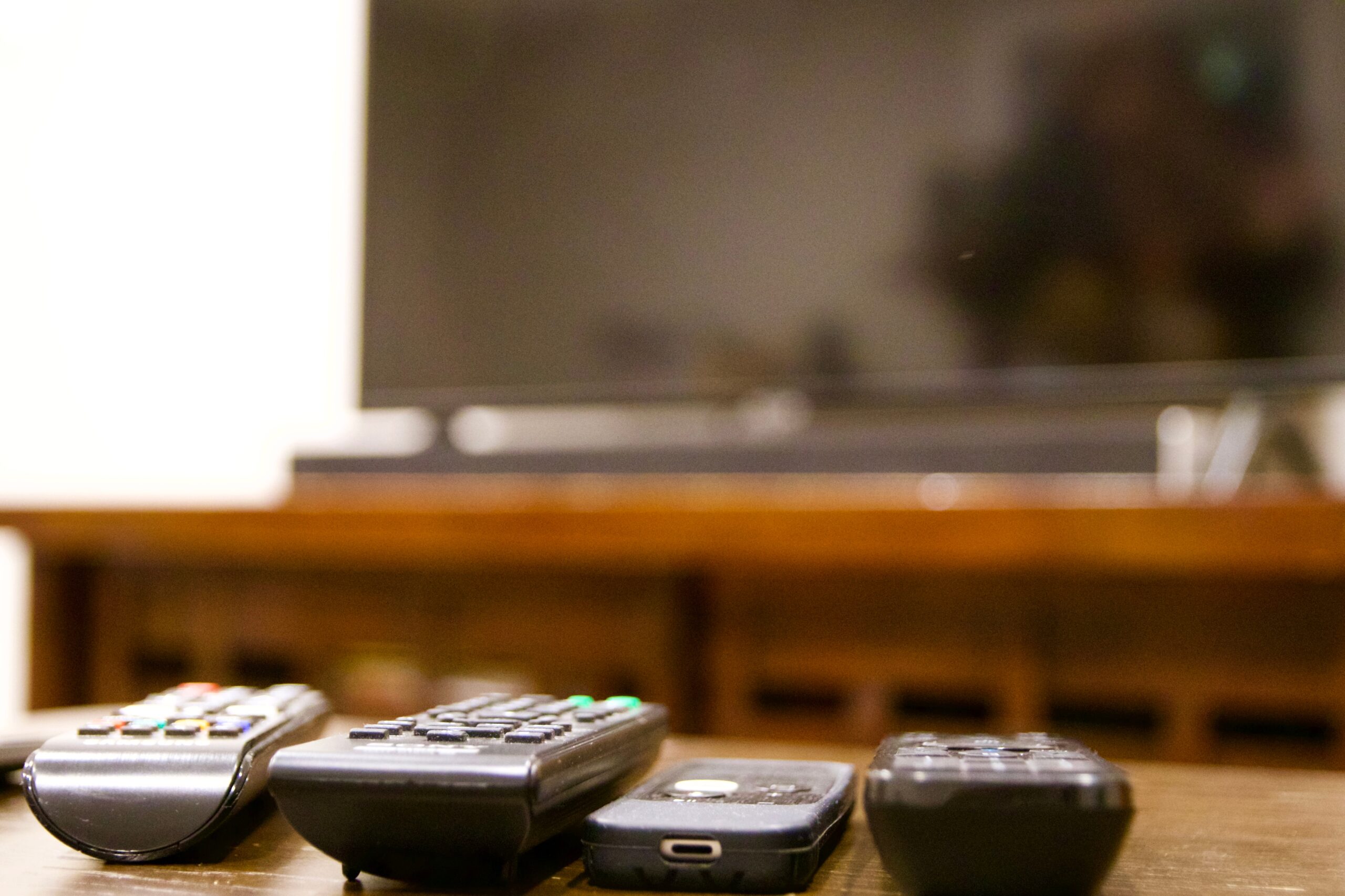
What does it actually look like in most homes? Three remotes are on the coffee table. Someone asking, “Why is it doing this?” Apps freezing. Audio slightly off. The universal remote suddenly deciding it’s on strike.
This shows up in homes around Naperville, IL, and nearby areas. And almost every time, the problem isn’t the TV, the internet, or the person using it. It’s the streaming device and how everything is set up.
Apple TV streaming quietly pulls away from the pack here.
Streaming Devices Aren’t All Built the Same (Even If They Look Like It)
On paper, most streaming devices sound similar. They all promise access to the same apps, the same shows, the same movies. In real life, they behave very differently once you actually live with them.
Manufacturers build cheaper streaming devices to be just good enough. Just enough speed. Just enough memory. Just enough processing power to run today’s apps… until the next update.
That’s why people start noticing lag after a few months. Menus feel slow. Apps crash randomly. Reboots become part of the routine. The experience slowly degrades, and nobody really knows why.
Apple TV doesn’t play that game. Apple builds it to perform well, not just to hit a price point. The result is a streaming experience that feels fast today and still feels fast years later.

Apple TV Streaming Feels Different Right Away
You notice it the first time you use it. Click a button and something actually happens. No delay. No spinning wheel. No wondering if the remote registered the command.
The interface stays clean and calm. Your apps are front and center, not buried under ads screaming for attention. Switching between Netflix, live TV, and sports doesn’t feel like you’re jumping between completely different systems.
This matters more than people expect. When the system responds instantly and behaves predictably, you stop thinking about it. And that’s the real goal. Streaming should disappear into the background.
That consistency is why people find Apple TV streaming works so well in everyday life.
Apple TV vs Roku and Firestick (No Trash Talk, Just Reality)
Roku and Fire TV Stick exist for a reason. They’re affordable, accessible, and fine for basic setups. Guest rooms, spare TVs, rentals, no problem.
Apple builds Apple TV with a different mindset. It’s part of an ecosystem designed for performance and longevity. Apple controls the hardware, the software, and how everything works together.
In real homes, that shows up as fewer weird glitches and fewer “why did this change overnight” moments after updates. It also means the experience stays consistent across multiple TVs.
If you’ve ever tried explaining to someone why the living room TV works differently than the bedroom TV, you already understand why that matters.
Apple TV Setup Is Simple… Until It Isn’t
This is where many people get frustrated. Apple TV setup isn’t difficult, but there are plenty of ways to make it annoying without realizing it.
We see issues caused by Wi-Fi routers tucked into bad locations, video settings that limit picture quality, audio configs that create sync problems, and remotes fighting for control in systems that weren’t designed to talk to each other.
None of these problems feel obvious when you’re setting things up yourself. They just show up later as little daily irritations.
A proper Apple TV setup handles those details upfront. The box is placed correctly in the system, the settings are dialed in, and everything works together instead of competing for attention.
In homes around Naperville, especially ones with multiple TVs, sound systems, or smart home tech, those details make the difference between “fine” and “this just works.”
Where Apple TV Really Shines: Bigger Systems
Apple TV isn’t just a streamer. It’s a solid building block for bigger setups.
Whole-home audio, AirPlay across rooms, automation systems, nicer TVs, better speakers… Apple TV fits naturally into all of it. You’re not fighting the device to make it behave. It’s designed to integrate.
That’s why Apple TV holds up so well over time. As people upgrade other parts of their home, the streaming device doesn’t become the weak link. It grows with the system instead of needing to be replaced.
And, it’s what “smarter” really means here. Not trendy. Not flashy. Just built to last.
Who Apple TV Actually Makes Sense For
Apple TV is for people who don’t want to babysit their tech. For households tired of troubleshooting instead of relaxing. And for families where everyone just wants the TV to behave the same way every time.
If you’ve invested in a good TV or sound system, Apple TV helps you actually enjoy it. And if you want streaming to feel invisible, not like another gadget demanding attention, this is the right direction.
Why Local Setup Still Matters
Even the best hardware can underperform if you drop it into a home without context. Wi-Fi coverage, layout, construction materials, and existing systems all affect how streaming behaves.
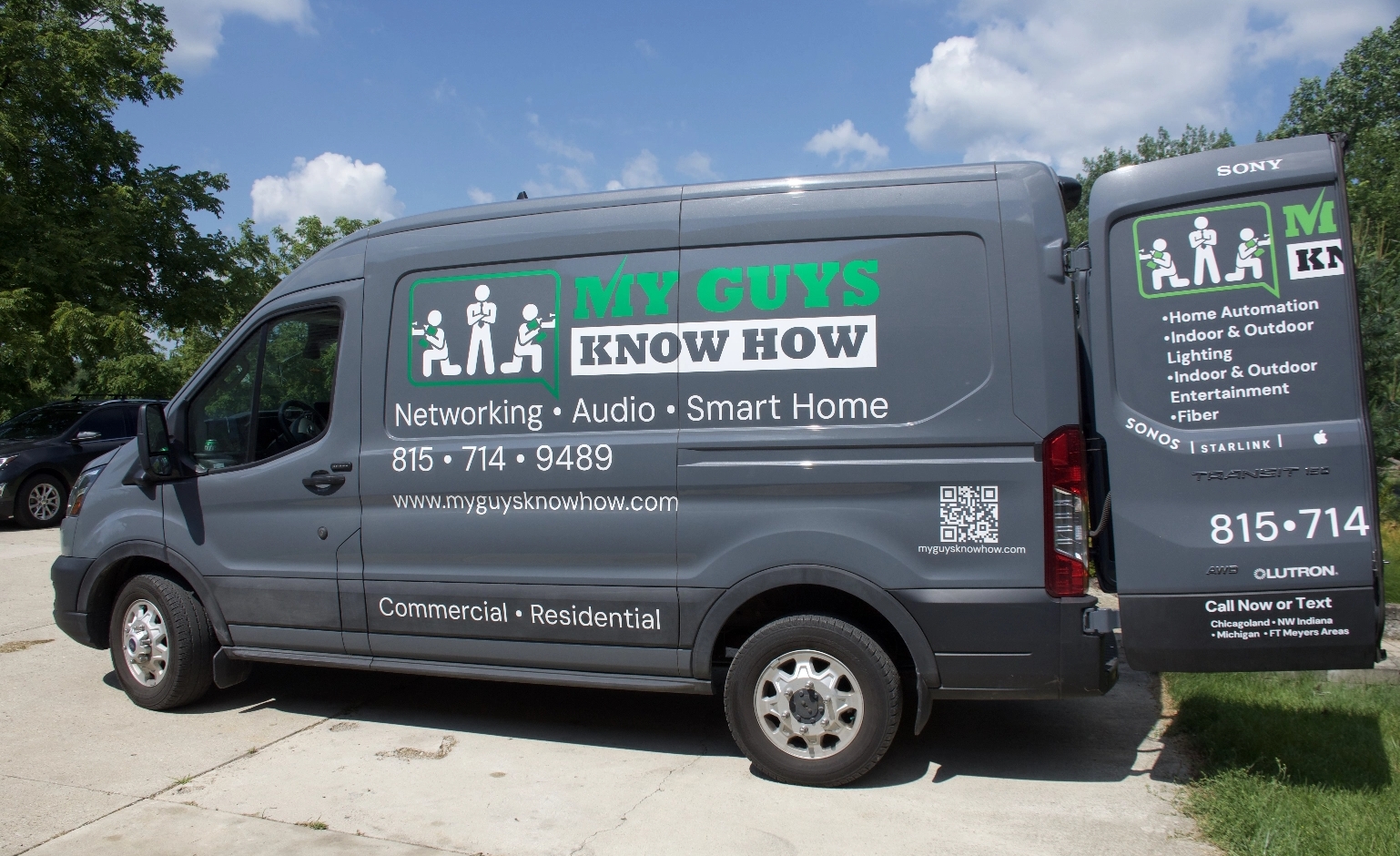
Working with a local expert means those realities are factored in from the start. Someone who’s seen how homes in Naperville and surrounding areas are wired, built, and laid out knows how to avoid the common pitfalls.
This isn’t about upselling. It’s about getting it right the first time.
Smarter Streaming Starts With Fewer Headaches
Apple TV removes friction. It makes streaming boring in the best possible way. No drama, no surprises, no nightly tech support sessions.
With the right Apple TV setup and reliable Apple TV streaming, your system fades into the background, and that’s exactly where it should be.
If you’re ready for streaming that just works, there’s a smarter way to do it.