There are two kinds of camera systems in the world.
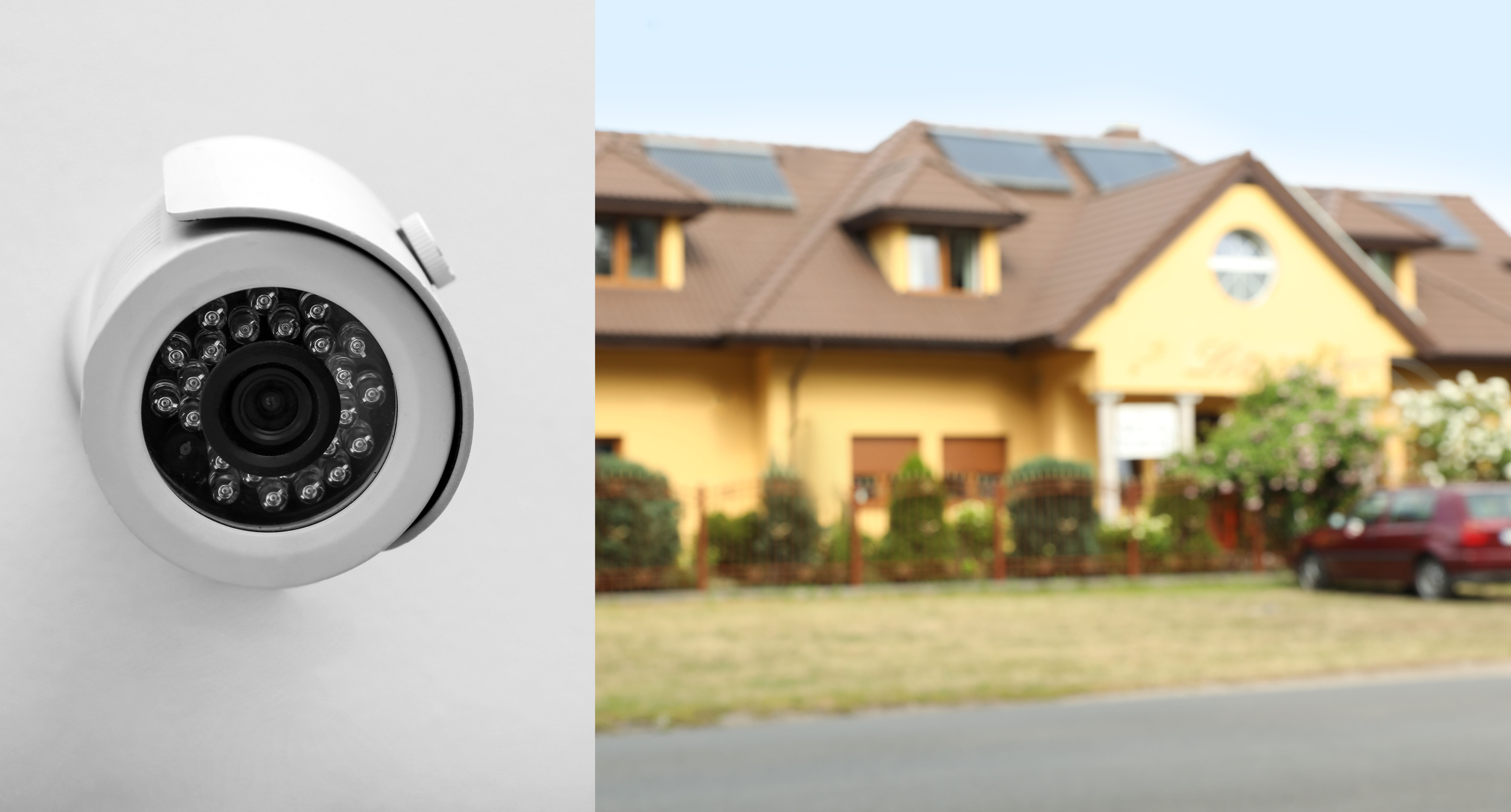
The first kind looks impressive. Cameras on the corners. A clean app with little video thumbnails. Maybe a glowing light that makes everything feel official.
The second kind actually protects your property.
We’ve worked on enough homes and businesses to know the difference.
Most people start looking into cameras for good reasons. Something felt off. A neighbor had an issue. A package went missing. Or maybe you just want peace of mind. So naturally, the next step is to Google how to design a surveillance system and see what comes up.
That is a smart move.
But what you will find online is usually a mix of product recommendations and quick mounting tips. What you will not always find is a clear explanation of how to design a surveillance system in a way that truly protects your property instead of just covering space.
That is where experience matters.
It Always Starts With the Property, Not the Cameras
If you really want to understand how to design a surveillance system properly, you have to start with the layout of the property itself.
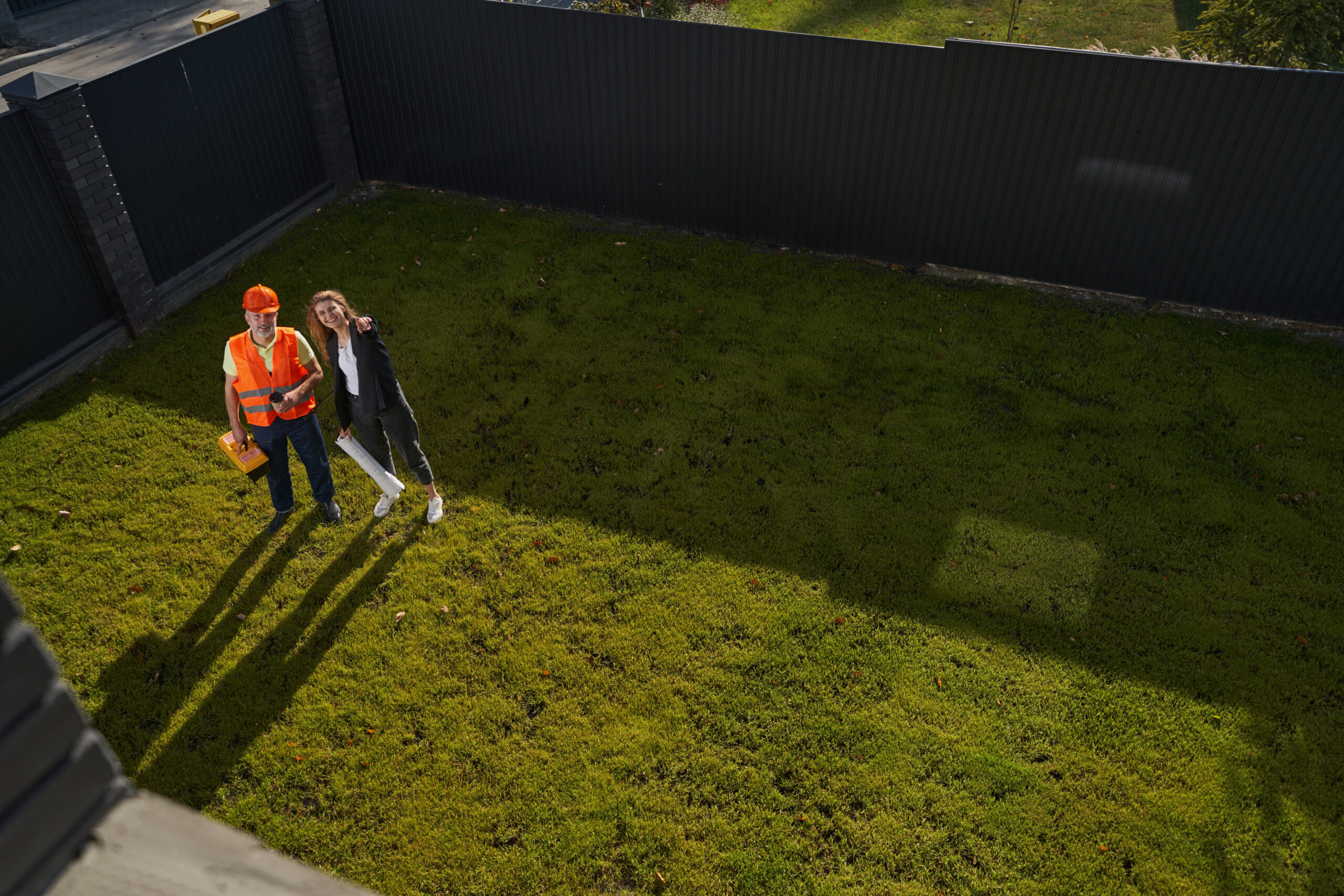
Before we ever mount a camera, we walk the space. We look at how people naturally move through it. We pay attention to entry points, exit paths, driveway angles, lighting changes, and areas where someone would have to slow down or pass through a defined zone.
Security is not about putting cameras everywhere. It is about placing them where behavior happens.
When someone searches how to design a surveillance system, they often expect a list of equipment. In reality, the first step is understanding risk and movement. Once you understand how your property is used, camera placement becomes strategic instead of random.
Field of View: Seeing More vs. Seeing Clearly
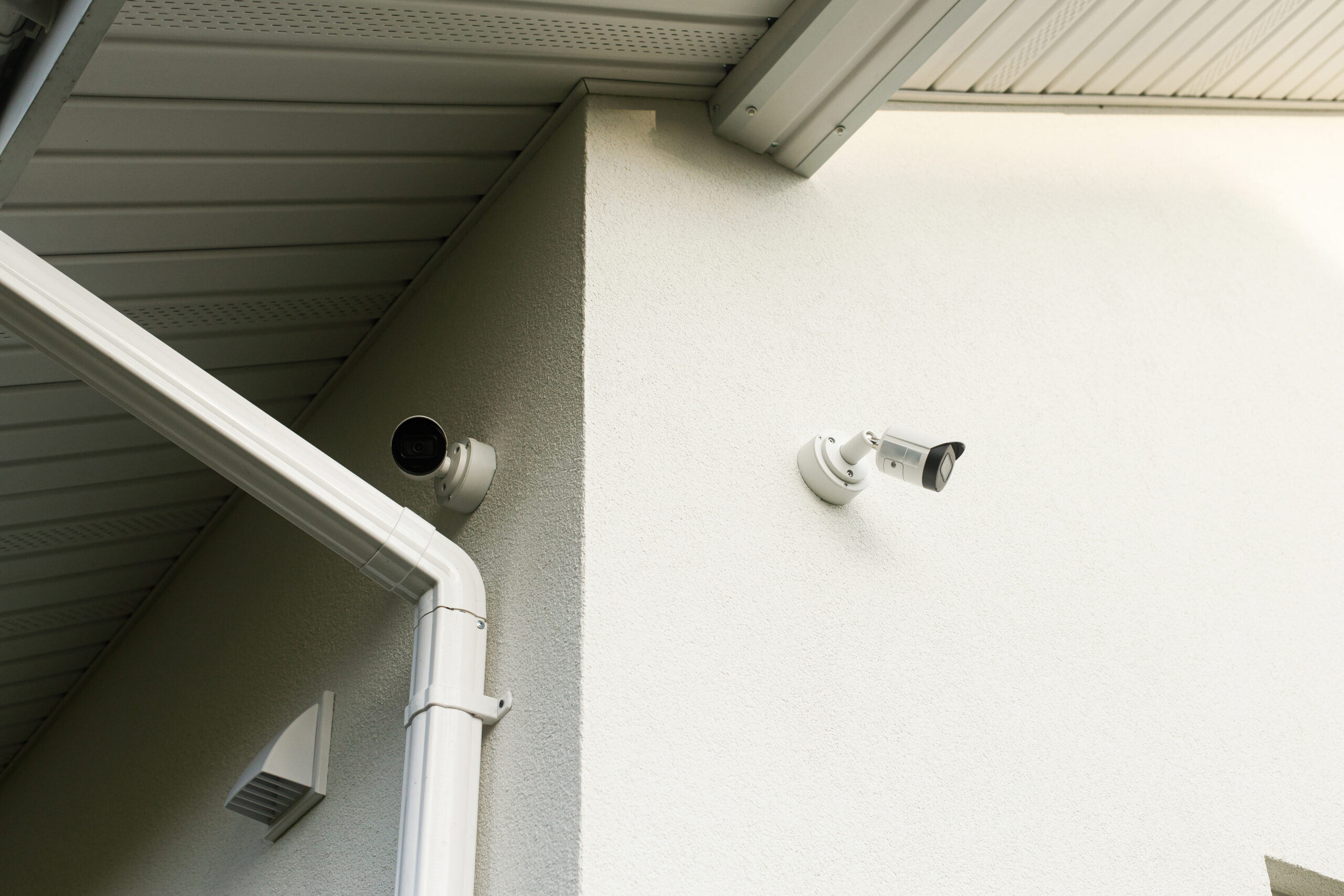
A big part of learning how to design a surveillance system is understanding field of view.
Wide-angle cameras are popular because they show a large area. That can be useful for general awareness in a backyard, warehouse, or open parking space. You can see activity across a broad range.
The tradeoff is detail.
The wider the field of view, the smaller subjects appear in the frame. You may see that someone walked up your driveway, but when you zoom in, their face lacks clarity. You may see a vehicle enter your property, but the license plate is too soft to read.
Designing a system that actually protects you means balancing coverage and clarity. Knowing how to design a surveillance system includes knowing when wide coverage makes sense and when tighter detail matters more.
Focal Length: Where Identification Happens
If wide-angle cameras provide awareness, focal length provides identification.
When we explain how to design a surveillance system to clients, this is usually the turning point in the conversation. At key locations like entry doors or driveway choke points, we often use lenses that allow us to adjust the focal length and dial in the level of detail needed.
At a front door, that means capturing a face clearly at normal standing distance. At a driveway, it means optimizing for the exact point where vehicles slow down.
This is not about making footage look good on a phone screen. It is about making sure that if something happens, the video answers real questions.
A properly layered system uses broader views for awareness and tighter views for identification. That layered approach is central to how to design a surveillance system that works in the real world.
Wireless vs. Wired: Convenience and Reliability
Another major part of understanding how to design a surveillance system is choosing the right infrastructure.
Wireless cameras are easy to install and convenient for certain situations. For small properties or temporary monitoring, they can be perfectly appropriate.
However, wireless systems rely heavily on network stability. If your Wi-Fi drops, if bandwidth is overloaded, or if a battery runs low, recording can be interrupted. Most of the time, you do not notice until you need the footage.
For long-term reliability, especially in primary security zones, we often recommend hardwired systems built around Power over Ethernet. In a wired setup, each camera connects back to a central recorder through a dedicated cable that carries both power and data.
When someone asks us how to design a surveillance system that they can rely on year after year, the answer usually involves a hardwired backbone. It provides consistent recording, fewer interruptions, and a more stable foundation overall.
Wireless is convenient. Wired is dependable. Good design means knowing where each makes sense.
More Cameras Does Not Always Mean Better Protection
One of the most common assumptions we see is that adding more cameras automatically improves security.
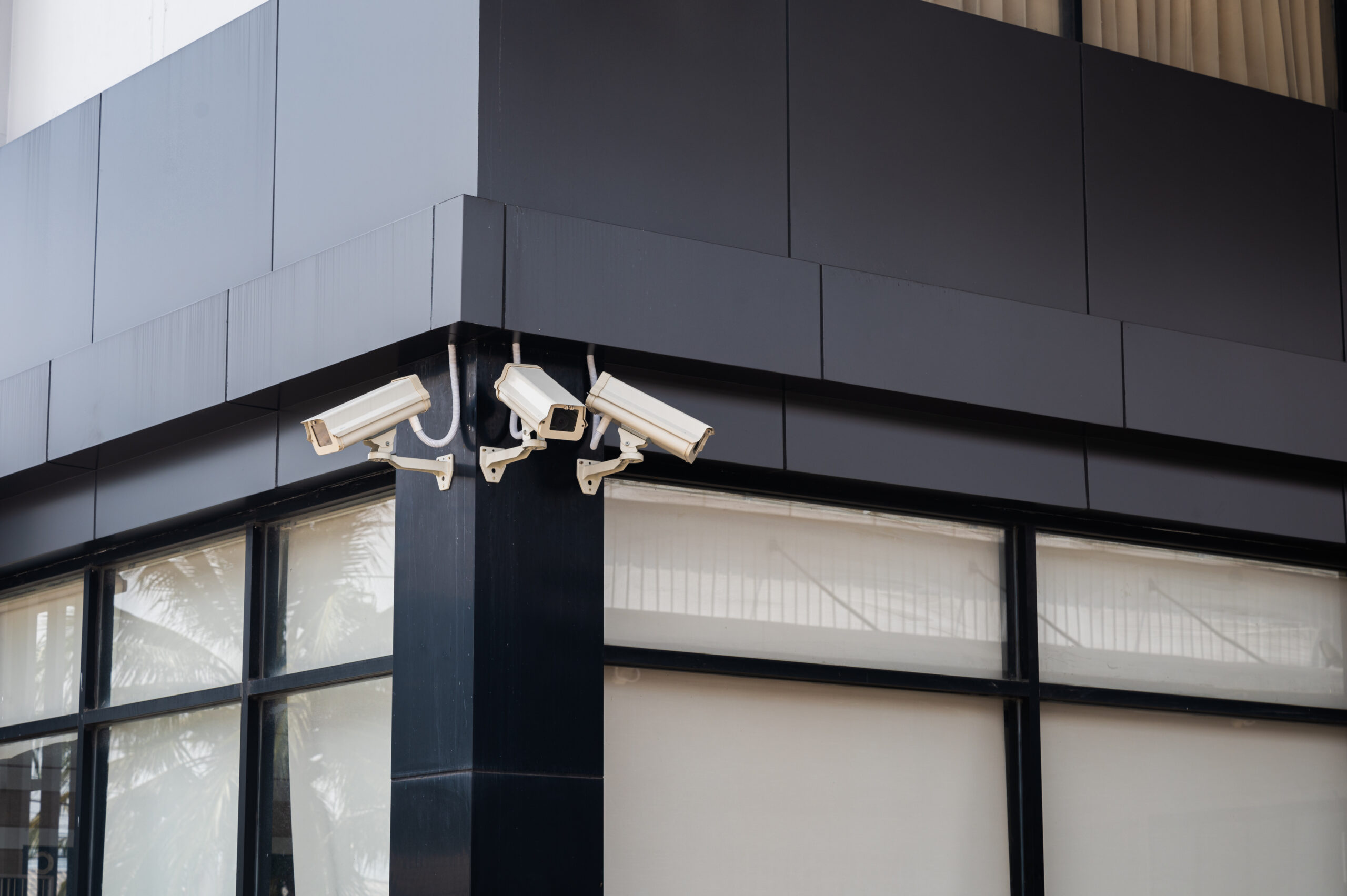
In reality, understanding how to design a surveillance system means understanding placement and overlap. Too many cameras in the wrong spots can create clutter while still leaving blind areas in key locations.
A well-designed system assigns each camera a purpose. Some provide wide coverage for awareness. Others are positioned strategically for detail. Together, they create continuous visibility without unnecessary redundancy.
The goal is not to overwhelm the property with hardware. The goal is to create clarity when it matters.
Designing for Real-World Conditions
When people search how to design a surveillance system, they often focus on the cameras themselves. What matters just as much is how the system performs under stress.
We think about lighting at night, glare during sunset, weather exposure, cable protection, and how footage is stored. We think about retention time and accessibility. We think about how the system behaves during a power fluctuation.
Security is not just about installation day. It is about performance months and years down the road.
Knowing how to design a surveillance system means thinking beyond the immediate setup and considering how it will function when conditions are not ideal.
Let’s Turn Strategy Into A Real World Surveillance Plan
If you are researching how to design a surveillance system for your home or business, you are already asking the right questions.
The key is not just where to mount cameras or which brand to buy. It is how to design a surveillance system that matches your property layout, captures usable detail, and runs reliably when you need it most.
That is where we come in.
At My Guys Know How, we guide you through the process step by step. We start with a site survey. We explain tradeoffs clearly. We help you understand why certain placements matter and where infrastructure choices make a difference.
No scare tactics. No unnecessary upsells. Just straightforward design built around how your property actually works.
If you want a system that truly protects your space, the right place to begin is with a plan.
Schedule a Security Site Survey
Let’s walk your property and design a system that actually protects it.